
Psychology of People Who Are Closer To Animals Than Humans

Some people will avoid eye contact with humans
like it’s a competitive sport,
but the second they see a dog, they are on the ground
making baby voices and having a full-blown conversation.
This isn’t just about a simple love for pets;
there is actual psychology behind why some individuals
feel significantly safer
with a golden retriever than with their own family.
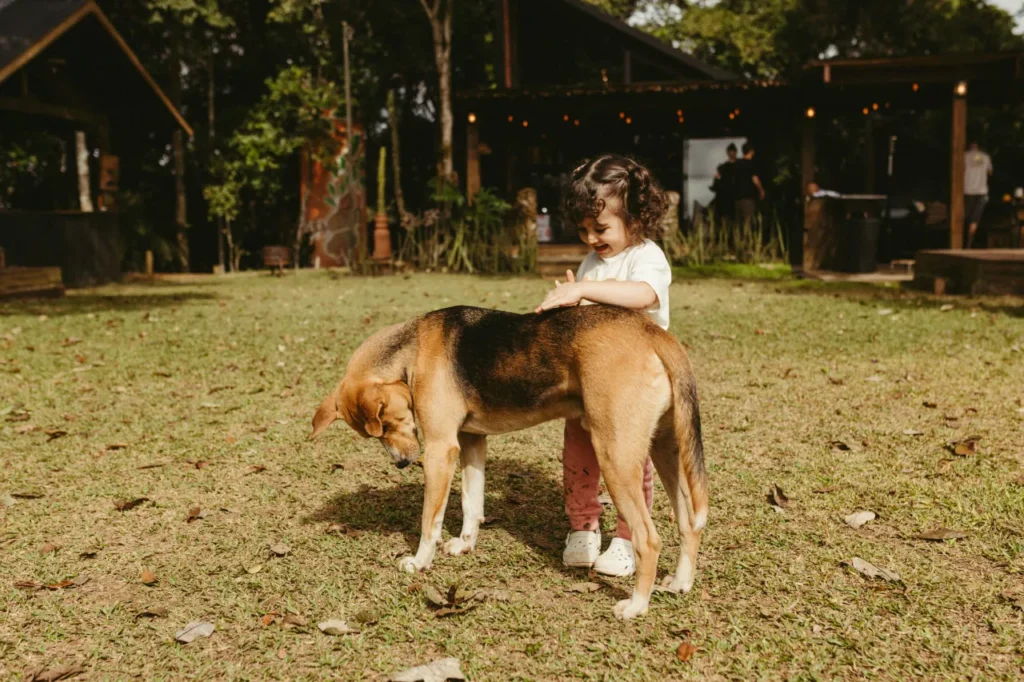
It comes down to the search for a connection that lacks the complexity
and judgment inherent in human relationships.
1. Unconditional Positive Regard
The most powerful thing an animal offers
is what therapists call unconditional positive regard.
This is the psychological term for acceptance
without strings attached.
While humans often struggle to provide this,
animals give it away for free.
Acceptance Without Conditions
In a world of constant evaluation,
animals provide a space where you are enough exactly as you are.
- No Therapy Bill: You get the emotional benefits of acceptance without the professional cost or the awkward silences of a therapy session.
- Pure Energy: Animals don’t have a hidden agenda; their presence is a “you’re enough” energy that requires no explanation.
2. The Emotional Obstacle Course of Human Interaction
People who prefer animals aren’t necessarily antisocial; often,
they are just emotionally exhausted.
Human interaction is like running an emotional obstacle course
where you are constantly managing your tone,
reading micro-expressions,
and worrying about how you’re being perceived.
Refreshingly Honest Communication
With animals, communication is direct and stripped of subtext.
- No Subtext: A wagging tail or a vibrating purr is an honest expression. There is no “we need to talk” energy that creates instant anxiety.
- Survival Mechanism: For those dealing with social anxiety or past trauma, this simplicity isn’t a lack of social skill—it’s a survival mechanism to protect their limited emotional energy.
- No Ghosting: Unlike human dating or friendships, animals don’t leave you “on read” or vanish after a few positive interactions. Even if a cat ignores you, it does so to your face, maintaining a level of honesty humans often lack.
3. Vulnerability Without Weaponization
Many who turn toward animals have been deeply hurt
by human betrayal, criticism,
or conditional love that came with fine print.
Animals are unique because they do not weaponize vulnerability.
Safe Emotional Spaces
Animals don’t keep a mental tally of your mistakes
or bring them up during future arguments.
- No Comparisons: They don’t compare you to others or judge you for being tired, flawed, or imperfect.
- Neurological Calming: Studies show that interacting with animals lowers cortisol (the stress hormone) and releases oxytocin (the bonding hormone). This isn’t just a feeling; it is a measurable change in your neurochemistry that calms your nervous system.
4. Different Nervous Systems Seeking Safety
Preferring animals isn’t “wrong,”
though it can be a protective mechanism.
It’s important to understand that protection isn’t a sign of weakness;
it is wisdom gained from experience.
Diverse Forms of Connection
Different people seek safety in different ways
based on their unique nervous systems.
- Crowds vs. Quiet: While some are energized by the “beautiful chaos” of human conversation, others require the quiet honesty of a creature that asks for nothing but gives everything.
- Performance-Free Zones: For many, a relationship with an animal is the only space where they don’t have to perform, apologize for existing, or feel fear. This connection is sacred because it offers a version of love that existed before humans learned to complicate it.
5. The Sacred Simplicity of Connection
Animals don’t necessarily solve our human problems,
but they act as a mirror to what connection looked like
before we learned to doubt ourselves.
They love in a way that is similar to how children do,
without strategy or score-keeping.
Finding Peace
When you see someone who lights up around animals
but remains distant around people,
it’s a mistake to assume they are broken.
- A Version of Peace: They may simply be individuals who have found their specific version of peace in a world that rarely offers it.
- Internal Safety: They are prioritizing a connection that feels safe and consistent over one that feels volatile and demanding.
