
What to Do When You Start Hating People

There is a particular kind of weariness that has set in for many.
It is not simple physical exhaustion or burnout from work;
it is a deeper, colder, existential fatigue.
It is a sickness of the soul—a quiet, profound exhaustion
with the human species itself.
This is not the theatrical, villainous hatred of humanity found in movies.
It is a quieter, sadder feeling:
the sensation of being an “allergic constitution”
in a world that has become a pervasive allergen.
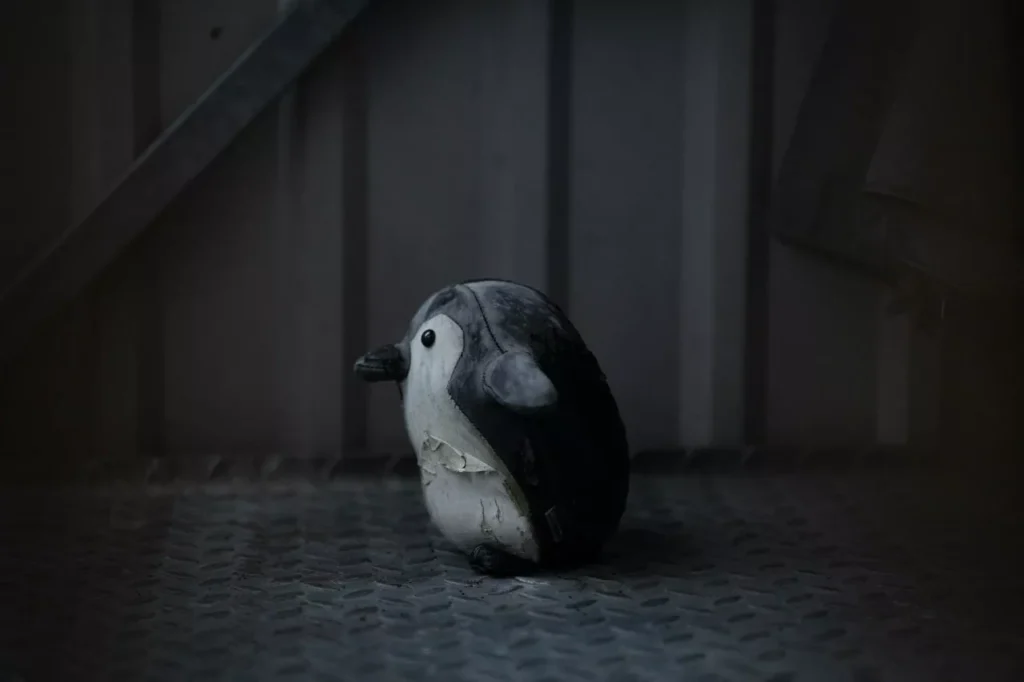
In this article, we explore the origins of this modern misanthropy,
why it is a symptom of a deeper philosophical clarity,
and how to move through it without losing your humanity.
1. The Diagnosis: An Allergy to Inauthenticity
The exhaustion you feel in social gatherings,
the draining of your battery as you listen to performative laughter
and recycled opinions—is not a malfunction.
It is a reaction to inauthenticity.
- The Global Stage: We live in an age of the “personal brand,” where authenticity itself is packaged and sold. Opinions at dinner parties are often recycled scripts, and social media indignation is often a performative signal rather than genuine conviction.
- The Great Lie: We are all simultaneously the audience and the performers in a hollow play. We are allergic not to people, but to the noise and the lie. This misanthropy is actually a desperate hunger for something real—a soul’s cry for a single authentic conversation.
2. The World of “Das Man”
To understand this sickness,
we must look at the cultural atmosphere.
The philosopher Martin Heidegger described this prison
of performance as the world of Das Man (The They).
- The Anonymous Crowd: Das Man is the invisible authority that dictates what success looks like, what to be angry about, and how to live. To be “normal” is to be an echo of this crowd.
- The Loss of Self: To survive, we surrender our singular, authentic selves and adopt the pre-fabricated persona of the crowd. We stop living and start performing the act of living. Misanthropy, then, is an allergy to the “undead”—the sleepwalkers who have forgotten they are performing.
3. The Burnout Society
This existential sickness is accelerated by what philosopher
Byung-Chul Han calls the “Burnout Society.”
- Self-Exploitation: We have moved from a disciplinary society (oppressed by external masters) to an achievement society (oppressed by internal demands). We are both the slave and the slave driver.
- The Performance of Happiness: We perform not just for others, but for ourselves. Leisure becomes work to be optimized and posted. We are tired because we are never allowed to rest; to rest is to fail in the internal race against ourselves.
4. The Porcupine Dilemma
Why does this lead to hating others?
The philosopher Arthur Schopenhauer offered a brutal answer:
because in others, we see the raw, selfish “will to life.”
- The Metaphor: Schopenhauer described the “Porcupine Dilemma.” Porcupines huddle together for warmth (connection) but prick each other with their quills (pain/ego). They are forced to pull apart into the cold (loneliness), only to be drawn back together.
- The Retreat: Misanthropy is the decision that the cold of isolation is less painful than the sharp, unpredictable wounds of human contact. It feels like a sane solution to an impossible problem.
5. The Trap of the Ivory Tower
Realizing the absurdity of society
brings a sense of victory and sanity.
However, this clarity can become a trap,
the “Ivory Tower of the Justified Misanthrope.”
- The New Prison: By positioning yourself as the superior critic who “sees through” the game, you are still chained to the crowd you despise. Your identity becomes defined by your opposition to them.
- The Cost: The casualty is joy. When you view every interaction as a transaction and every kindness as a performance, you lose the ability to be touched by beauty or love. You protect yourself from being fooled, but you also protect yourself from connection.
6. The Cure: Distinction and Selective Indifference
The cure is not to force yourself to naively love the crowd,
nor is it to bitterly hate it.
The cure lies in a critical distinction:
the difference between the Crowd and the Person.
- Stoic Indifference to the Crowd: Treat the crowd—the noise, the social media madness, the mass psychosis—like the weather. You do not hate the rain; you accept it as an external force you cannot control. Cultivate a god-like indifference to the abstract concept of “humanity.”
- Compassion for the Person: Once you stop hating the abstract crowd, you free up the energy to see the specific human in front of you. You do not see a monster; you see another “porcupine”—terrified, exhausted, and trapped in the same performance as you.
- The Final Truth: Humanity is a statistical abstraction and often a sickness. But a human being is a story. The cure is to build a fortress of calm against the noise so you have the courage to lower the drawbridge for the single, suffering, authentic person.
Summary
Your exhaustion is justified, and your disgust is a sign of sanity.
However, do not let this diagnosis become a poison that isolates you.
The path forward is not to love humanity as a whole,
but to practice the difficult art of selective indifference
toward the noise, allowing you to truly see
and connect with one person at a time.
