
The Psychology of People Who Hate Phone Calls

Have you ever felt your stomach drop the moment
your phone starts ringing?
You watch it buzz, consider letting it ring out,
and tell yourself you’ll call back later when you feel more “ready.”
If this feels familiar, you aren’t rude, broken,
or antisocial—you are simply wired differently.
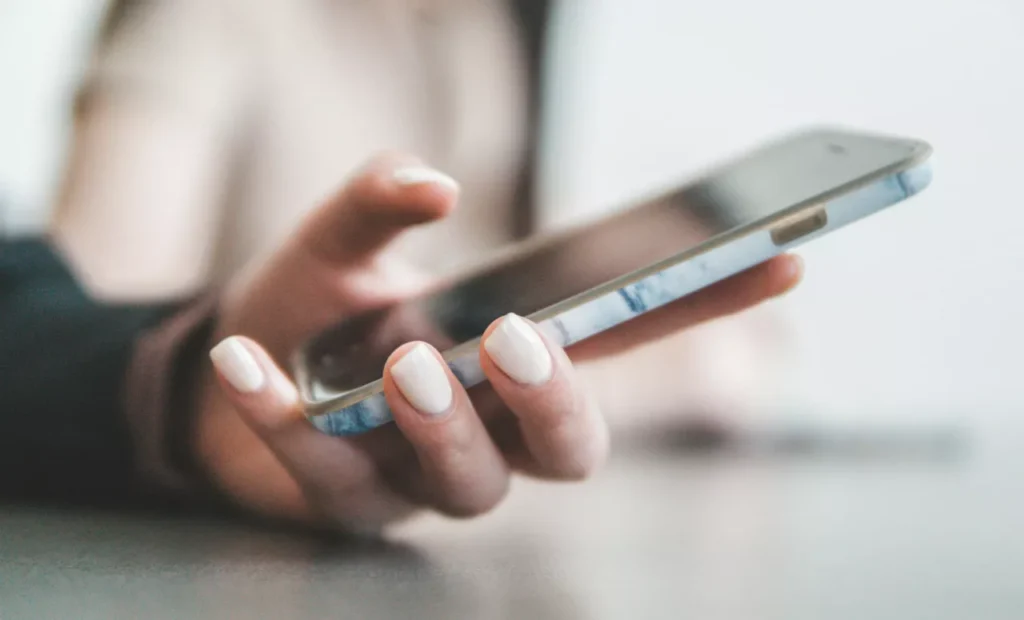
For some, phone calls feel efficient; for others,
they feel like an intrusive demand for attention, emotion,
and energy all at once.
1. The Sudden Loss of Control
Psychologically, phone calls remove the element of control.
When someone calls, they set the timing, the pace,
and the direction of the conversation.
There is no warm-up, no pause button,
and no time to organize your thoughts.
- Tension for Introspectors: For people who are introspective or emotionally sensitive, this lack of control creates significant tension.
- Context Switching: A ringing phone interrupts the current mental space. For many, switching contexts that quickly is mentally exhausting.
- Texting as Regulation: Texting offers breathing room to choose words and respond when the nervous system is ready. This is a form of emotional regulation, not avoidance.
2. The Performance Factor and Lack of Cues
During a call, there is an expectation to sound engaged
and emotionally present, even if you are tired or overwhelmed.
For those who already spend much of their day “on,”
a phone call feels like another stage performance.
- Absence of Visual Cues: Unlike in-person conversations, phone calls provide no body language or visual cues to soften the interaction. There is no shared silence—just voices filling space.
- Ambiguity Stress: For certain brains, the ambiguity of a voice-only interaction creates stress rather than connection.
3. The Pressure of Instant Processing
Many people who dislike phone calls are deep thinkers
who prefer to process information internally before speaking.
A call demands instant responses,
which can feel like being rushed through your own thoughts.
- The Mental Echo: Because of this pressure, these individuals often replay conversations afterward, analyzing their tone, pauses, and missed chances to explain themselves better. What was a “simple call” to one person becomes a lingering mental echo for the other.
4. Historical Bracing and Bad News
For some, the dislike of phone calls is rooted in history.
Calls may have been associated with bad news, conflict,
or high expectations they couldn’t meet in the past.
- Conditioned Response: Over time, the brain learns to “brace itself” whenever the phone rings, even if the actual call is harmless.
5. Intentionality vs. Antisocial Behavior
Hating phone calls does not mean you dislike people;
in fact, it often means the opposite.
It suggests you care deeply about how you “show up” in a conversation.
- Valuing Calm Connection: You want conversations to feel intentional, calm, and genuine rather than rushed or forced. You don’t fear connection; you fear being unprepared for it.
- Emotional Pacing: Psychologists attribute this to a need for autonomy and specific emotional pacing. Some connect best when they can enter a conversation on their own terms.
6. Conclusion
Letting a call go to voicemail
or preferring text isn’t a sign of being cold or distant;
it is a way of protecting your mental space.
That space is often where your best thoughts, feelings,
and connections are formed.
