
Psychology of People Who LOVE Cats

You know that feeling when your cat finally curls up next
to you after ignoring you all day?
Suddenly, the entire world quiets down.
Your breathing slows, your thoughts stop racing,
and for the first time since you woke up, you can actually relax.
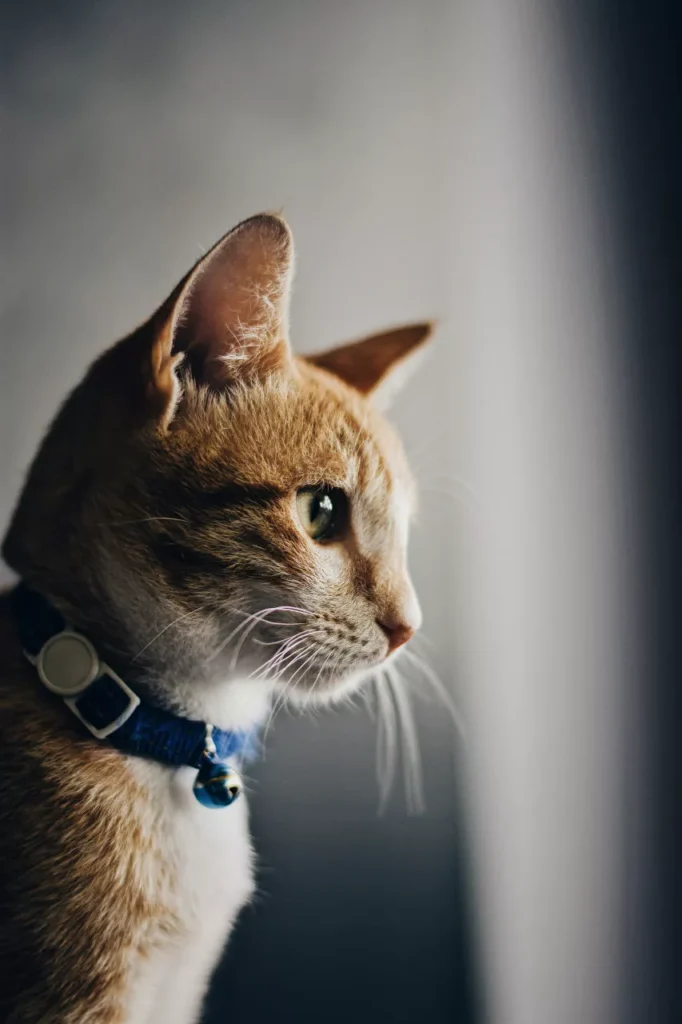
If you know exactly what that feels like,
you are about to feel incredibly seen.
Here is what nobody tells you about being a cat person:
it is not really about personality;
it is about how your nervous system processes the world.
1. Nervous System Regulation
Some people regulate through activity and engagement.
They need external feedback, constant interaction,
and clear structure (dogs are perfect for them).
However, other nervous systems regulate through
stillness, predictability, and the complete absence of pressure.
- No Demands: A cat doesn’t rush toward you to discharge energy; it settles into a space and lets you settle with it. There is no demand to respond, perform, or manage someone else’s emotional state.
- Downshifting: Cat people aren’t choosing distance; they are choosing environments that allow their bodies to downshift, reduce vigilance, and rest without performing.
- The Difference: When someone says “I don’t like dogs, they’re too much,” they are describing overstimulation. When they say “I like cats, they’re peaceful,” they are describing regulation.
2. Safe Connection Without Intrusion
The bond cat people feel is not just calming;
it is safe in a way human relationships often aren’t.
Human relationships are filled with unspoken demands:
respond quickly, explain feelings, reassure,
and match emotional energy.
- Affection Without Pressure: A cat never assumes access to you. Its affection is offered, not imposed. When it sits on your lap, it does so without expecting conversation, eye contact, or emotional performance.
- Boundaries: When a cat leaves, it doesn’t require justification. This mutual respect for boundaries creates a rare connection without intrusion.
- Not Avoidant: Research shows cat lovers are not avoidant of intimacy; they are avoidant of pressure. They want closeness that unfolds naturally without urgency.
3. The Power of Attunement
With cats, affection must be earned
and maintained through attunement.
You learn to read subtle signals:
a flick of the tail, a shift in posture, or a change in breathing.
Over time, this builds a relationship rooted
in respect rather than control.
Consent is central to this dynamic.
4. The Purr: A Secret Weapon for Regulation
Before thought or interpretation, there is physical regulation.
A cat’s purr operates at low rhythmic frequencies
that your nervous system responds to instinctively.
- Physical Response: Before you consciously register comfort, your body begins to slow, breathing deepens, muscle tension softens, and stress hormones drop.
- Signal of Safety: Low-frequency repetitive sounds signal safety to the brain, telling your nervous system that no action or vigilance is required—just presence.
- Co-Regulation: This is co-regulation without conversation. Many cat people describe a sense of grounding, feeling “settled” as their internal pace matches the world around them.
5. Intelligence and Introversion
Research shows cat lovers score higher on cognitive tests,
but not because cats make you smarter.
It is because certain personality traits cluster together.
- Introversion & Openness: People who are more introverted tend to spend more time in solitary intellectual pursuits like reading and writing. Denise Guastello’s research at Carroll University showed that cat people scored higher in cognitive abilities and openness to experience (but also higher in neuroticism).
- Conditions for Thinking: Deep thinking requires uninterrupted attention. Cats do not interrupt; they coexist alongside focus without demanding it. They protect the conditions intelligence needs to function by filling a space without fragmenting it.
6. The “Baby Schema” Response
There is a biological reason a cat—an efficient, solitary predator,
can make you feel an urge to protect it.
Your brain responds to what ethologists call the Baby Schema:
large eyes, a rounded head, a small nose, and soft movements.
- Caretaking Impulse: When a cat looks at you, your brain registers “infant,” not “hunter,” releasing caretaking impulses.
- One-Directional Safety: This dynamic feels safe because it is one-directional without being emotionally demanding. The cat doesn’t ask you to be cheerful or monitor your mood. For people who learned to be emotionally contained early, nurturing something that doesn’t intrude can feel easier than receiving care.
Summary
Being drawn to cats doesn’t mean you are distant or disconnected.
It means you are wired for subtlety, for presence without pressure,
and for connection that doesn’t demand constant output.
Cats don’t ask you to perform, test your loyalty,
or confuse intensity with intimacy; they simply exist with you.
We love creatures that don’t need us,
and that is revolutionary in a culture obsessed with being needed.
If you are a cat person, your nervous system found exactly
what it needed to function without overload.
Your cat didn’t just choose you; your body chose your cat.
Continue reading:
The Psychology of People Who Love Staying At Home
