
How the Rich Avoid Paying Taxes

Warren Buffett is one of the richest people in the world,
largely thanks to his company, Berkshire Hathaway.
A single share of his company, worth $19 in 1965,
is worth nearly half a million dollars today.
Buffett owns nearly 240,000 of these shares,
yet he famously points out that
he pays a lower tax rate than his secretary.
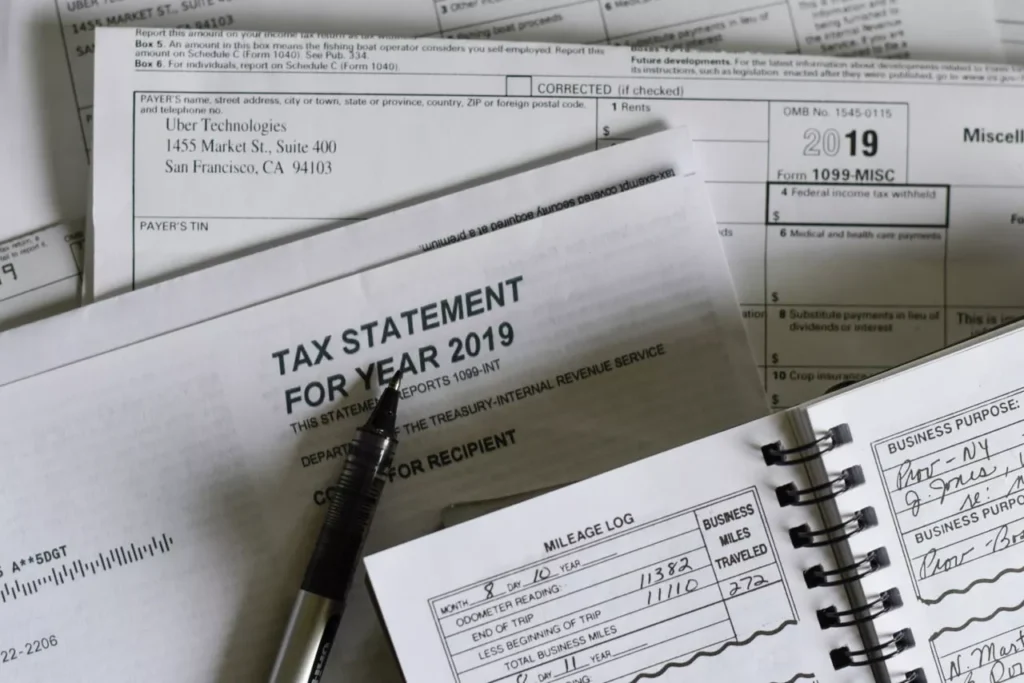
In this article, we explore the mechanisms that allow the ultra-wealthy
to pay significantly less in taxes than the average worker.
1. Income Tax vs. Capital Gains Tax
The core of the disparity lies in how different types of money are taxed.
- The Worker: Most people have a normal job and get a paycheck. They pay income tax, which ranges from 10% to 37%.
- The Investor: The wealthy make most of their money from investments, generally stocks and real estate. These are taxed as capital gains. Long-term stock investments have a maximum tax rate of just 20%.
- The Result: Someone like Morris, a retired millionaire, sold stock for $400,000 and paid only $50,000 in taxes. A worker earning that same amount as a salary would pay far more.
2. Unrealized Gains (Phantom Wealth)
Most of the wealth held by billionaires like Jeff Bezos
or Warren Buffett isn’t actually money in the bank;
it is “unrealized gains.”
- Not Taxable: If a stock portfolio grows by a million dollars in a year, the owner owes zero in taxes on that growth because the US system is based on only paying taxes when you actually sell something.
- The “Buy, Borrow, Die” Strategy: Some billionaires, like Elon Musk, avoid selling stock (and paying taxes) by taking out loans against their stock holdings. They live off the loan money, meaning they have no “income” to tax.
3. The Stepped-Up Basis Loophole
There is a massive loophole in capital gains taxes known
as the “stepped-up basis”
that allows wealth to be passed down tax-free.
- How It Works: If Warren Buffett sold his stock today, he would pay taxes on the massive profit (current value minus original investment).
- The Loophole: If he holds the stock until he dies, his heirs inherit it at its current value. If they sell it immediately, they only pay taxes on any growth that happens after they inherit it. All the original gains from Buffett’s lifetime go completely untaxed.
4. Proposed Solutions
President Biden has proposed changes to make the system fairer.
- Closing Loopholes: Proposals include closing the “stepped-up basis” loophole.
- Raising Rates: Another proposal is increasing the maximum capital gains tax rate from 20% to 39.6%, but only for people making more than a million dollars a year.
- Revenue: Conservative estimates suggest this could bring in $200 billion over 10 years, potentially doubling that amount.
Summary
The current tax system allows the rich to get richer
while the middle class stagnates.
By prioritizing investment income over earned income
and utilizing strategies like “Buy, Borrow, Die,”
the ultra-wealthy can legally avoid paying their fair share.
While changing capital gains taxes isn’t the whole solution,
advocates argue it is an easy place to start fixing a system
where billionaires pay less than their secretaries.
