
The Psychology of People Who Rewatch the Same Shows and Movies

Netflix has 10,000 options and new movies every week,
yet many people choose to watch The Office, Friends,
or Harry Potter for the 20th time.
While others may ask why you don’t watch something new,
re-watching is not about being stuck or lazy—it is psychological.
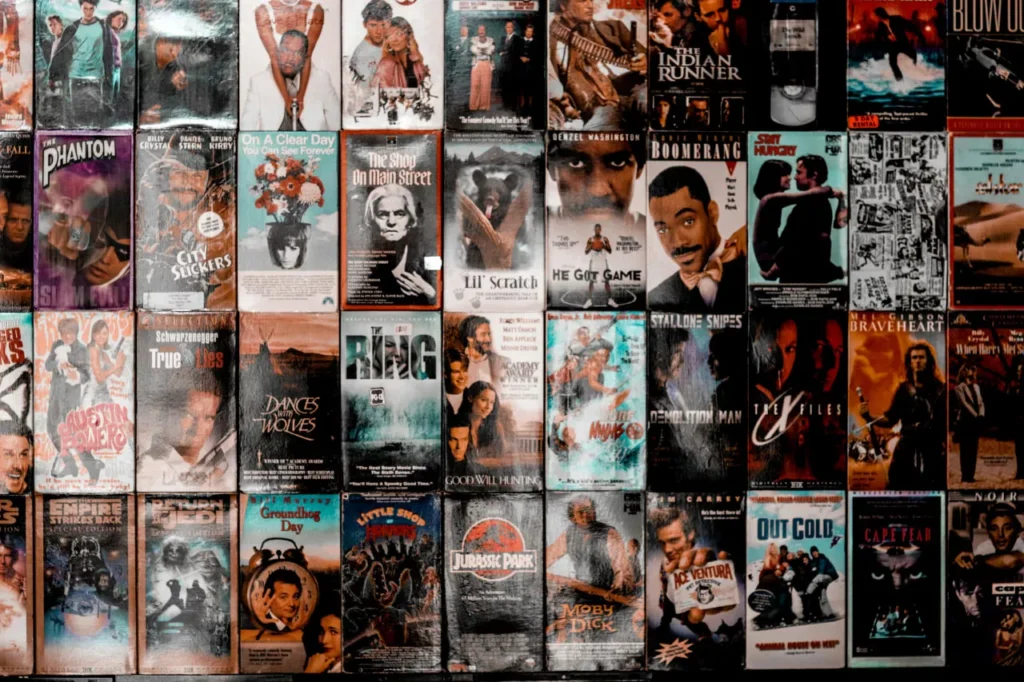
There are four specific types of re-watchers and distinct reasons
why the brain keeps going back to the same screen.
1. The Comfort Seeker
For this type, life feels unpredictable
and chaotic due to work stress, relationship problems,
or a fast-changing world.
The brain craves something stable and safe.
- Predictability Bias: When life gets chaotic, the brain seeks environments it can control.
- Emotional Safety: Knowing how the episode ends and that the characters survive feels like a “warm blanket.”
- Coming Home: Pressing play on a familiar show is an experience of emotional safety where everything is exactly where it should be.
2. The Cognitive Restorer
These individuals are mentally exhausted
from constant thinking, decision-making,
and problem-solving at work.
By the end of the day, the brain has no energy left for new content.
- Cognitive Load Reduction: Watching something new requires effort to learn characters and follow plots. Re-watching allows the brain to enter “autopilot mode.”
- Recharging: The brain is like a battery; re-watching is a way to recharge without using more energy.
- Mental White Noise: Familiar content provides background comfort and entertainment without being draining.
3. The Nostalgic Anchor
For these people, re-watching is not about the show itself,
but about the memory attached to it.
It reminds them of a better, simpler,
or happier time in their life.
- Emotional Time Travel: The show becomes a portal to the person they used to be. Even though life changes, the show remains frozen in time.
- Visiting the Past Self: People may cry during scenes they’ve seen many times because they are reacting to the memory of who they were when they first watched it.
- Preservation: They keep coming back because they don’t want to forget what it felt like to be that version of themselves.
4. The Detail Hunter
These viewers re-watch because they are curious
and believe every show has hidden layers, background jokes,
and subtle acting choices that they missed the first time.
- Analytical Thinking: This type is linked to high openness and an analytical brain that loves puzzles, patterns, and connections.
- Exploration: Re-watching is a form of exploration rather than repetition. Every time they notice something new, it feels like watching it for the first time.
- The World Beyond the Story: A show is viewed as a world, and they want to see every corner of it.
Conclusion
All four types of re-watchers are choosing what their mind needs:
the comfort seeker protects their peace,
the cognitive restorer conserves energy,
the nostalgic anchor holds onto their story,
and the detail hunter deepens their experience.
Sometimes the best thing isn’t new; it is familiar.
