
Psychology of People Who Don’t Use Social Media

You know that person who never posts anything.
While everyone else is documenting their holiday,
they’re just enjoying it.
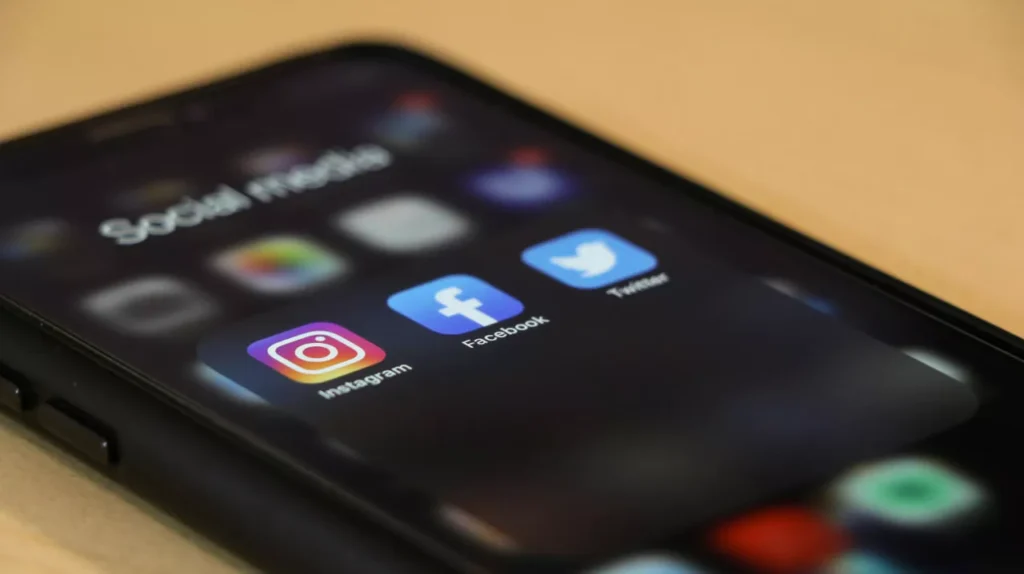
While you might think they’re missing out,
there’s a chance they’ve figured out something the rest of us haven’t:
the less you need to prove your life online,
the more real it actually feels.
1. The Performance and the Mask
Sociologist Erving Goffman suggested that
we all wear different masks to control how others see us.
Social media didn’t invent this behavior,
but it placed that mask on a stage with a billion-person audience.
One bad caption isn’t just awkward; it’s permanent.
People who don’t post are often choosing
to skip this performance entirely.
The Psychology of “Lurking”
Research shows that about 30 to 40% of social media
users are “lurkers”—people who scroll but never share.
While the word sounds negative, research published
in Frontiers in Psychology found that this often
happens because of a specific psychological break.
- The Pressure-Fear Mix: When the pressure to post combines with the fear of being judged, it creates exhaustion and anxiety.
- Brain Protection: Your brain is essentially trying to protect you from the “poison” of constant social comparison.
- Self-Determination Theory: Humans thrive when they feel in control of their own choices without outside pressure. Social media, as a validation machine, often strips that control away.
2. Security and Self-Esteem
People who avoid posting aren’t necessarily antisocial;
they are often protecting their sense of control.
They are operating on the belief that their confidence doesn’t
need to come from strangers.
Research indicates that individuals who are more secure
in themselves often feel no need to broadcast their lives.
Validation vs. Boundaries
For these individuals, self-esteem isn’t tied to likes or comments.
They may scroll because they enjoy seeing updates
or staying connected,
but they stay quiet because they value boundaries.
- Living vs. Filming: When you see a non-poster in person, they are rarely miserable or lonely. They are usually fine because they are living their life instead of filming it.
- Subconscious Comparison: Even when you know social media is fake, your subconscious still sees others having “more.” Non-posters avoid this constant mental attack because they recognize the game is rigged.
3. The YouTube Loophole and Low-Pressure Consumption
There is a specific group of people who watch YouTube religiously
but won’t touch Instagram or TikTok.
They can binge a three-hour video essay, but will scroll
past every photo dump.
This is because YouTube often represents consumption
without social pressure.
Passive Relationships with Content
YouTube doesn’t demand a performance from the viewer.
- No Tracking: No one is tracking if you liked the video or wondering why you haven’t posted in months.
- Loophole Found: This allows for entertainment and learning without the associated social anxiety of other platforms. It is a passive relationship that allows one to exist without being monitored.
4. Depth Over Quantity in Relationships
People who avoid social media tend to have fewer friends
but deeper relationships.
They prefer having five friends who actually know
what is happening in their life over a thousand people
who simply liked a post.
The Observant Outsider
Quality friendships predict happiness far better than quantity.
Interestingly, not posting doesn’t mean these people don’t care;
they are often the most observant.
- Noticing the Subtle: They notice changes in others’ posting frequencies, shifts in caption tones, or stories that feel “off.”
- Understanding vs. Broadcasting: They prefer understanding to performing and depth to noise. They are paying close attention, just quietly.
5. Public vs. Private Self-Consciousness
Psychologists distinguish between two types of self-awareness.
Public self-consciousness is worrying about how others see you,
while private self-consciousness is thinking
about your own thoughts and values.
Non-posters tend to lean toward the latter.
Emotional Intelligence and Mental Space
Instead of asking “How will this look?”,
these individuals ask “How does this feel?”
- Identity Building: Not managing a public image provides mental space for actual self-reflection and building an identity that doesn’t require outside approval.
- The Power of Privacy: Choosing not to post is an act of power. It is the realization that some experiences—like a sunset or a meaningful conversation—get worse when you perform them.
- The “Long Game”: By not tying their worth to likes, these individuals remain less affected by the emotional ups and downs of the validation economy.
6. Rejecting the Performance Economy
Social media promised connection and community,
but it often created a “performance economy”
where being real is the rarest trait.
In this environment, silence became “weird,”
and not posting became “strange.”
Connection on Their Own Terms
The people who opt out aren’t rejecting connection;
they are rejecting the terms of the platform.
- Privacy as Self-Respect: Choosing privacy over posts is a form of self-respect.
- The Deathbed Perspective: Nobody on their deathbed wishes they had posted more; they wish they had lived more.
- Living in the Light: The quiet ones aren’t hiding; they are simply living in the light where cameras can’t reach.
