
8 Toxic Things Parents Say To Their Children

Children should always expect love and care from their parents.
However, hurtful remarks, whether intentional or not,
can leave lasting emotional marks.
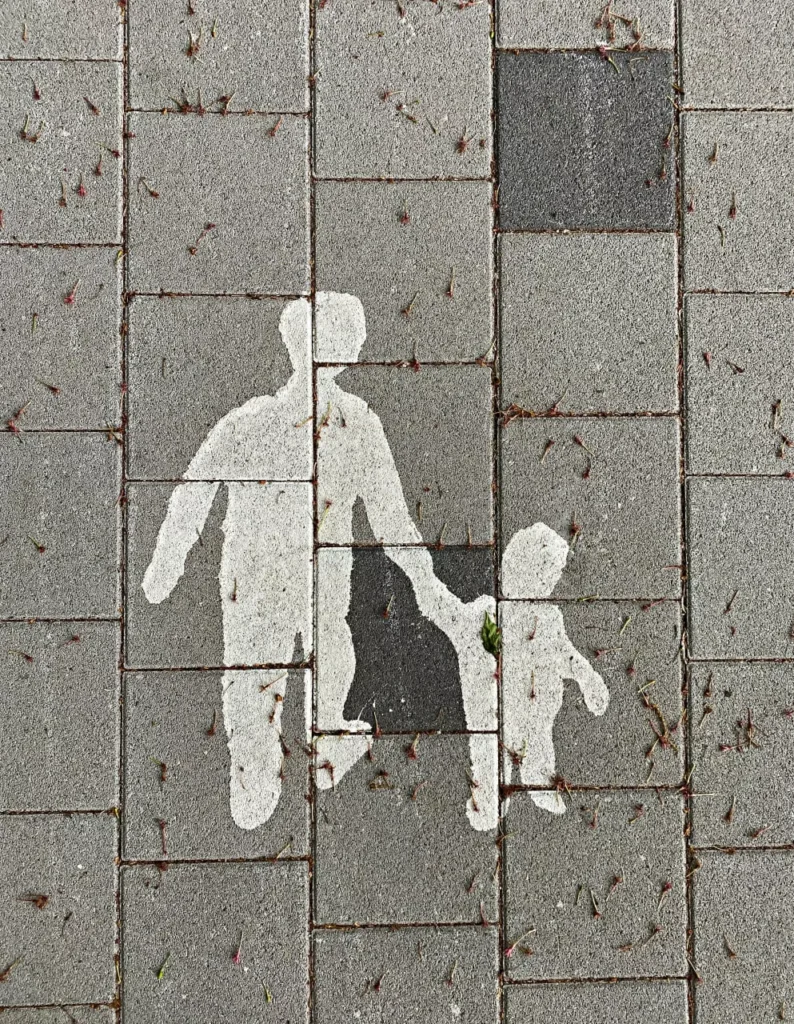
Here are eight toxic things parents say that can severely affect a child’s life.
1. Offensive Words Toward Appearance
Phrases like “You’re ugly,” “You’re too fat,”
or “You have ugly hair”
degrade a child based on their physical appearance.
This increases physical insecurity and worry about body image,
which can lead to serious emotional issues like eating disorders.
Parents are supposed to teach children to love themselves,
not shame them.
2. Provocative Questions Toward Actions
“Why do you act so weird?” “Why do you walk that way?”
Children tend to believe what their parents say.
Sarcastic questions make the child feel like
there is something fundamentally wrong with them.
This discomfort can follow them into adulthood,
making them fear that others are always laughing at them
or noticing their “flaws.”
3. Selfish Wishes
“I wish you were never born,” “I regret having you,”
or “I wish you were a different child.”
These are some of the most harmful things a parent can say.
It diminishes the child’s entire sense of identity,
making them feel they don’t deserve to exist.
This can lead to self-harm and early depression.
4. Making the Child Feel Like a Burden
“You cost me too much money,” or “Having you exhausts me.”
When a child feels like a burden,
they unconsciously hide their needs, feelings,
and problems to avoid angering the parent.
A lack of affection can even drive children toward stealing
or abusive behaviors.
5. Unhealthy Comparisons
“Why aren’t you like your sibling?”
or “The other kids are better than you.”
This destroys self-esteem, making the child feel
they will never be good enough.
Comparing siblings also fosters jealousy and resentment,
damaging the relationship between them.
6. Verbally Abusive Labels
“You’re stupid,” “You’re useless,” or “You’re a loser.”
Absolute negative remarks damage a child’s belief in themselves.
Parents should encourage their children,
not label them with failures.
7. Threatening Abandonment
“I’ll leave you,” or “You’ll wake up and never find me.”
This causes deep-seated abandonment issues.
The child grows up fearing that everyone they love
will leave them because of who they are,
making it difficult to trust in future relationships.
8. Empty Promises
“If you do this, I’ll buy you that,” or “I’ll take you there next time”,
but then never doing it.
When parents break promises, it breaks the child’s trust
and makes them feel betrayed.
This teaches the child not to trust others in life.
