
3 Habits That Drop Stress Hormones in Hours

What if the reason you feel exhausted, overwhelmed,
and unable to relax has nothing to do with how busy you are?
Most people blame their schedule, their job, their relationships,
or their finances.
While those things are real, the actual problem is not the stress itself;
it is what stress is doing inside your body every single hour you ignore it.
Your body may be producing a hormone that
is slowly shrinking your brain, destroying your metabolism,
wrecking your sleep, and making every emotion feel ten times
harder to handle.
That hormone is cortisol.
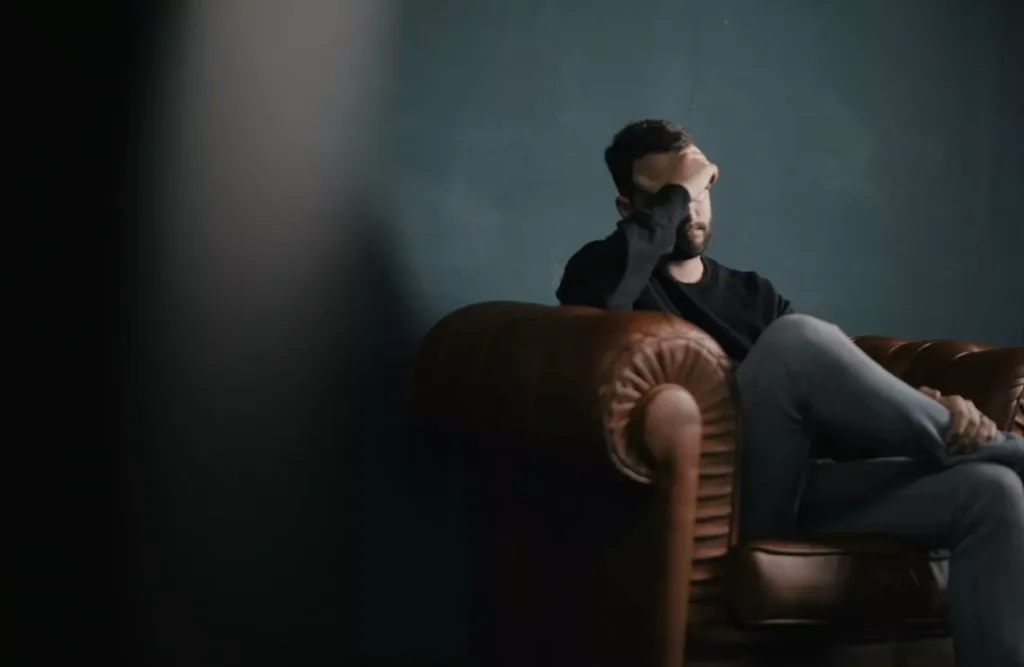
Chronic high cortisol is not just a wellness problem;
it is a biological emergency.
You do not feel high cortisol the way you feel a headache or a fever.
You feel it as brain fog, a low hum of dread,
exhaustion where you are tired all day but cannot sleep at night,
stubborn belly fat, or snapping at people you love for no real reason.
There are three specific habits—not supplements, therapy,
or a weekend detox—that can measurably lower your cortisol levels
in hours based on real science and biology.
The Danger of Chronic Cortisol
Your body was designed to produce cortisol in short, powerful bursts.
You encounter a threat, cortisol spikes, your heart rate rises,
your muscles tighten, your focus narrows, and you respond.
When the threat passes, the cortisol clears,
and your body returns to baseline.
That brilliant system kept your ancestors alive.
The problem is that your brain cannot tell the difference between
a physical threat and an emotional one.
Your body responds to an angry email from your boss
the same way it responds to a predator.
The cortisol spike is real, but the email, the deadline,
and the financial pressure do not go away.
The cortisol never fully clears; it just keeps layering day after day.
Sustained high cortisol reduces the volume of the hippocampus,
the part of your brain responsible for memory, learning,
and emotional regulation.
When cortisol stays high, it suppresses your prefrontal cortex,
which is responsible for rational decisions, planning,
and keeping your emotions in check.
Stress makes it harder to think clearly about how to reduce stress,
locking you in a cycle. Here are the three habits to break.
1. The Physiological Sigh
The physiological sigh is the fastest biological
reset your body has access to.
When you are under stress, tiny air sacs in your lungs called
alveoli start to collapse.
This causes a buildup of carbon dioxide in your blood,
which is one of the most powerful triggers for anxiety and panic.
The physiological sigh reverses this in seconds.
The first inhale begins to reinflate the alveoli,
the small second inhale fully expands them,
and the slow exhale activates the vagus nerve,
triggering your parasympathetic nervous system
(responsible for rest, repair, and calm).
Researchers at Stanford found that this produced the fastest
measurable drop in physiological arousal of any method tested.
How to do it:
- Inhale deeply through your nose.
- Before you exhale, take one more short sniff on top of that inhale.
- Let it all out slowly through your mouth.
- Do that twice in a row.
In just two breaths and 30 seconds,
your cortisol begins to drop immediately.
You can do this anywhere without anyone noticing.
2. Cold Water on Your Face
One of the most powerful cortisol-lowering tools
you own is already sitting in your bathroom.
This leverages the mammalian dive reflex—a reflex your body
has carried for hundreds of millions of years.
When cold water makes contact with the skin around your eyes
and nose, your body interprets it as submersion in cold water.
Your heart rate slows, your vagus nerve fires,
your parasympathetic nervous system takes over,
and cortisol drops.
Cortisol follows a predictable daily curve,
peaking within 30 to 45 minutes of waking up.
In people under chronic stress, that morning spike is already
too high, amplifying everything that happens afterward.
Splashing cold water on your face actively lowers that baseline.
How to do it:
- Every morning, before your phone or coffee, go to the sink.
- Splash cold water on your face 10 times, focusing on the area beneath your eyes and across the bridge of your nose.
- If you want to take it a step further, hold a cold, wet cloth over your eyes for 30 seconds.
Studies suggest that people who do this consistently report
measurably lower anxiety within 3 to 5 days.
3. Stress Shaking
When an animal is scared by a loud noise or a near miss,
it shakes its whole body for 30 seconds to a minute,
and then walks away as if nothing happened.
There is no lingering anxiety or residual tension.
When a threat occurs, stress hormones flood
the body to prepare it for action.
Cortisol, adrenaline, and muscle tension are tools designed
to be used and then discharged.
In humans, we experience the hormonal flood,
but then we sit at a desk.
We suppress the physical response
because we are in a meeting or a car.
We tell ourselves to calm down, and we believe the stress is gone
because we stopped showing it.
But the cortisol, adrenaline, and the unfinished stress cycle
are still stored in your body, accumulating until your baseline
is so elevated that normal life feels unbearable.
This habit is based on the work of Dr. David Berceli,
a trauma therapist who developed Trauma Release Exercises (TRE).
The core idea is to let your body shake to discharge the stress.
How to do it:
- Stand up with your feet shoulder-width apart.
- Bend your knees slightly, as if you were about to sit in a chair that is not quite there.
- Let your legs begin to tremble naturally. If they do not tremble at first, gently bounce on your heels.
- Let the movement travel up through your hips, shake your hands, roll your shoulders, and let your whole body move loosely for two to three minutes.
- You can put on a song to help you relax.
This is not an exercise or dance;
you are giving your nervous system permission
to finish what stress started.
People who practice this three to four times
a week consistently report deeper sleep,
lower background anxiety, and a physical sense of lightness.
